
Tata Sons approached the RBI in 2024 seeking de-registration after becoming debt-free, a move that would allow it to remain a privately held, unlisted company. The application has remained pending.

The RBI once again said the Tata group holding company's application for deregistration as an NBFC remains under examination.

Cleaner balance sheets, regulatory support and strong growth prospects helped Indian private banks attract over $6 billion in foreign capital, with more deals expected in 2026.

The Reserve Bank on Tuesday allowed banks to open ATMs outside their branches without permission from the central bank.

Modi orders coal, insurance sector reforms.

Apart from easing the NPA pressure on domestic banks, the RBI's move can allow companies to raise cheap, long-term loans easily now.

The interest offered is mostly 0.5 to 1 per cent more than what other banks offer. Moreover, customer service and long-term association spanning generations are also other reasons for the popularity.

Will the Financial Resolution and Deposit Insurance Bill endanger our bank deposits?

Soon, one will be able to pay utility bills at the local supermarket, while buying groceries, with the RBI allowing the setting up of payment banks.

The loss of income has severely dented the loan repayment ability of small borrowers

With at least three IPOs in the offing this year, stock market investors have a lot to look forward to.

Such cold-shoulder by banks also indicates a credit freeze that is hard to overcome, unless the government comes out with credit guarantee schemes for loans given by banks. Since that is not happening, and there is no indication of that too, banks are not willing to listen to RBI prodding.
.jpg)
Of the 11 licence holders, only eight remain in the fray as concerns about profitability and rising competition are making them think twice before jumping in.

While passing the scrutiny of courts is a tough challenge, with eight proposed amendments to the insolvency law, the government has sought to turn the focus back on at least some of the functions of the bankruptcy law.

Like everything else, the structure of banks may change, and banks may depend more on digital technologies and artificial intelligence for dealing with both their customers and employees.
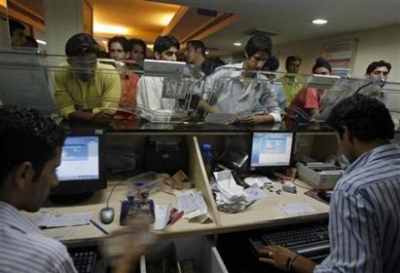
Criterion for corporates will effectively rule out entry for business houses.

It will allow more transparency in policies and flexibility in premium payment, besides improving processing of claims.

Insurance company will bear the cost of digitising. It will in turn benefit from lower expenses on servicing policies.
The PNB fiasco falls into a family line that involves non-fund limits - read contingent liabilities which are off-books. Harshad Mehta did it with bankers' receipts in 1992. Ketan Parekh exploited the ignorance of bankers who did not know the difference between a cheque and a pay-order. And the RBI blinked when it failed to insist the SWIFT platform be linked to the core banking solution. Raghu Mohan & Abhijit Lele trace the banking mess that was just waiting to happen.
